Pay close attention to bleeding that doesn’t stop after a few minutes of applying pressure. You should also be Sobriety on the lookout for frequent or persistent nosebleeds or bleeding gums, especially if it’s a new issue for you. If you see a significant amount of blood from any physical injury, or notice it in your urine or stool, it’s time to contact your doctor right away. Be prepared to tell them about all medications and supplements you’re taking.

Pressure can reopen tiny vessels and feed more bleeding into the bruise. After swelling settles, gentle motion and light touch around the area can feel good. A wrap can limit swelling, but too much pressure can cut blood flow. Use a wrap only if it feels comfortable and you can keep checking the skin.
Why Your Specific Prescription Is Key
Even moderate amounts could pose blood thinners and alcohol problems, especially for people prone to stomach ulcers. Always seek medical guidance regarding how much, if any, alcohol is safe. When you consume alcohol, it can reduce the stickiness of platelets, which helps keep blood flowing smoothly.
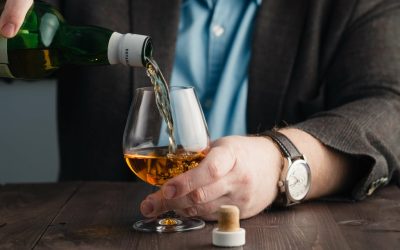
Taking ibuprofen alongside other nonsteroidal anti-inflammatory drugs (NSAIDs) like aspirin or naproxen can raise https://prowebsoftware.net/blog/guide-writing-a-goodbye-letter-to-addiction-3/ the risk of gastrointestinal issues such as ulcers and bleeding. It also increases the chance of kidney damage, especially if used frequently or in high doses. Mixing alcohol with blood thinners can cause ulcers or GI bleeding. In others, even small amounts could increase your risk of serious side effects. Avoiding the combination of blood thinners and alcohol is much more difficult for those addicted to alcohol.
Key Takeaways: Does Drinking Alcohol Thin Your Blood?
Blood thinners are medications designed to reduce the blood’s ability to form clots. They are prescribed for conditions like atrial fibrillation, deep vein thrombosis (DVT), pulmonary embolism, or following surgeries like hip or knee replacement. By preventing clot formation, these medications help ensure proper blood flow to vital organs. Long-term excessive alcohol consumption can also cause complications such as cardiovascular disease, high blood pressure, and stroke. Combining alcohol with blood thinners carries various potential adverse outcomes, primarily an increased risk of bleeding.
Can I drink alcohol while taking blood thinners?
No content on this site, regardless of date, should ever be used as a substitute for direct medical advice from your doctor or other qualified clinician. In numerous studies, CBD was able to reduce the number of seizures, and, in some cases, stop them altogether. Epidiolex, which primarily consists of CBD, is the first cannabis-derived medicine approved by the FDA for these conditions.
Medical Marijuana: Facts about cannabis, THC, and CBD
Symptoms of toxicity include tremors, confusion, nausea, and irregular heartbeat. Choosing to stay alcohol-free protects your safety, supports proper medication function, and helps maintain stability in both your physical and mental health. Alcohol should be limited while using Effient, especially among older adults. Some alcohol use may still be permissible; however, consultation with a doctor is essential to determine the risks for specific situations. Of course, healthcare professionals are here to assist and support you along the way. The lowest risk of CAD deaths was found in people consuming approximately one to two alcoholic equivalents.
Can You Drink Alcohol With Elquis?
Cabin pressure won’t cancel your medicine, but travel can lead to long sitting and missed doses. Some common pills raise bleeding risk when mixed with blood thinners. All medications, even life-savings ones, have potential side effects and risks. If you take medicine for your heart, doctors recommend staying away from some foods because of the risk of interaction. Combining moderate alcohol consumption with balanced nutrition enhances any positive cardiovascular effects while minimizing risks. Moderate drinking, generally defined as up to one drink per day for women and two for men, often shows slight benefits related to cardiovascular health and reduced clotting risk.
- Ask your doctor if it’s safe for you to drink alcohol while taking blood thinners.
- Then switch to warmth and gentle motion after the first couple of days.
- Internal bleeding is the most dangerous because it is more difficult to detect.
- Alcohol use — especially in excess — can also pose other risks to your health.
- Otherwise known as rivaroxaban, this anticoagulant comes in tablets and granules and is often prescribed if you have a blood clot in the lung (pulmonary embolism).
Can You Drink Alcohol With Xarelto?
For individuals taking Warfarin (Coumadin), alcohol can notably increase the risk of bleeding. Acute alcohol consumption inhibits Warfarin’s metabolism in the liver, leading to higher drug levels in the bloodstream. This can result in an elevated International Normalized Ratio (INR), a measure of how quickly blood clots, increasing the likelihood of excessive bleeding.
Being proactive in these conversations will help you feel confident and in control of your health while managing your medication effectively. When you drink heavily on Warfarin, your blood can become too thin, preventing it from clotting properly. This significantly increases your risk of major bleeding, which can be life-threatening. Because the interaction is so significant, it’s essential to talk with your healthcare provider about what, if any, amount of alcohol is safe for you.
Can I Drink Alcohol While on Blood Thinners?
Direct oral anticoagulants can sometimes cause indigestion or bleeding in your gastrointestinal tract. This complication is usually only seen with long-term use of heparin (more than one month). It happens because heparin decreases the formation of new bone cells and increases the rate at which old bone cells are naturally broken down by your body. Heparin can affect other components of your blood and your bones, with side effects ranging from mild to severe.