Understanding the historical evolution of gambling A deep dive into its origins and impact
The Ancient Roots of Gambling
The origins of gambling can be traced back to ancient civilizations, with evidence suggesting that games of chance were played as early as 3000 BC in China. These early forms of gambling included rudimentary betting on outcomes of events, such as the results of animal fights and the roll of dice. In ancient Rome, gambling became a popular pastime among the wealthy elite, with games such as dice and betting on gladiatorial contests being commonplace. Today, even modern games like the chicken road 2 game require quick thinking similar to these ancient pastimes.
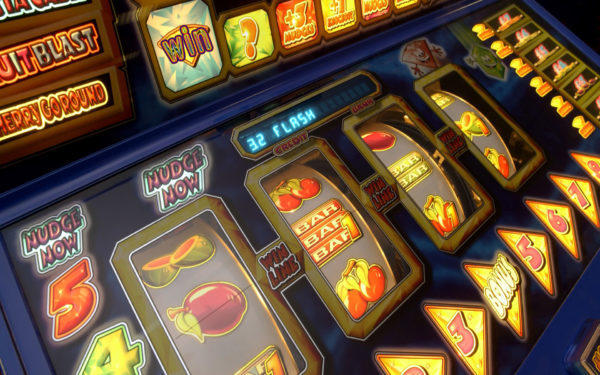
As societies evolved, so too did the complexity of gambling. The introduction of cards in the 9th century, believed to have originated in China, further transformed how people engaged in games of chance. This innovation laid the groundwork for various card games that would proliferate across Europe and eventually become integral to modern gambling culture.
The Rise of Gambling in Europe
By the 14th century, gambling had established itself as a widespread practice in Europe, with the establishment of state-run lotteries and gambling houses. These institutions not only provided entertainment but also became a means for governments to generate revenue. This period saw the emergence of various games, including chess and backgammon, which were often played for stakes.
Moreover, the creation of rules and regulations around gambling began to take shape during this era. Authorities recognized the potential for misuse and addiction, leading to the implementation of restrictions aimed at protecting citizens while still allowing gambling to flourish. This balancing act would set the stage for future debates on the ethics of gambling.
The Impact of Gambling on Society
The impact of gambling on society has been profound, influencing not only social interactions but also economies. In many cultures, gambling has served as a social glue, bringing people together for communal activities. Events like state lotteries have been credited with funding public projects and welfare programs, showcasing gambling’s potential for positive contributions.
However, the darker side of gambling, including addiction and financial distress, cannot be overlooked. As gambling became more accessible, issues related to compulsive behavior emerged, prompting many regions to develop support systems and treatment options for affected individuals. The duality of gambling’s impact highlights the need for responsible gaming practices and comprehensive regulation.
The Modern Era of Gambling
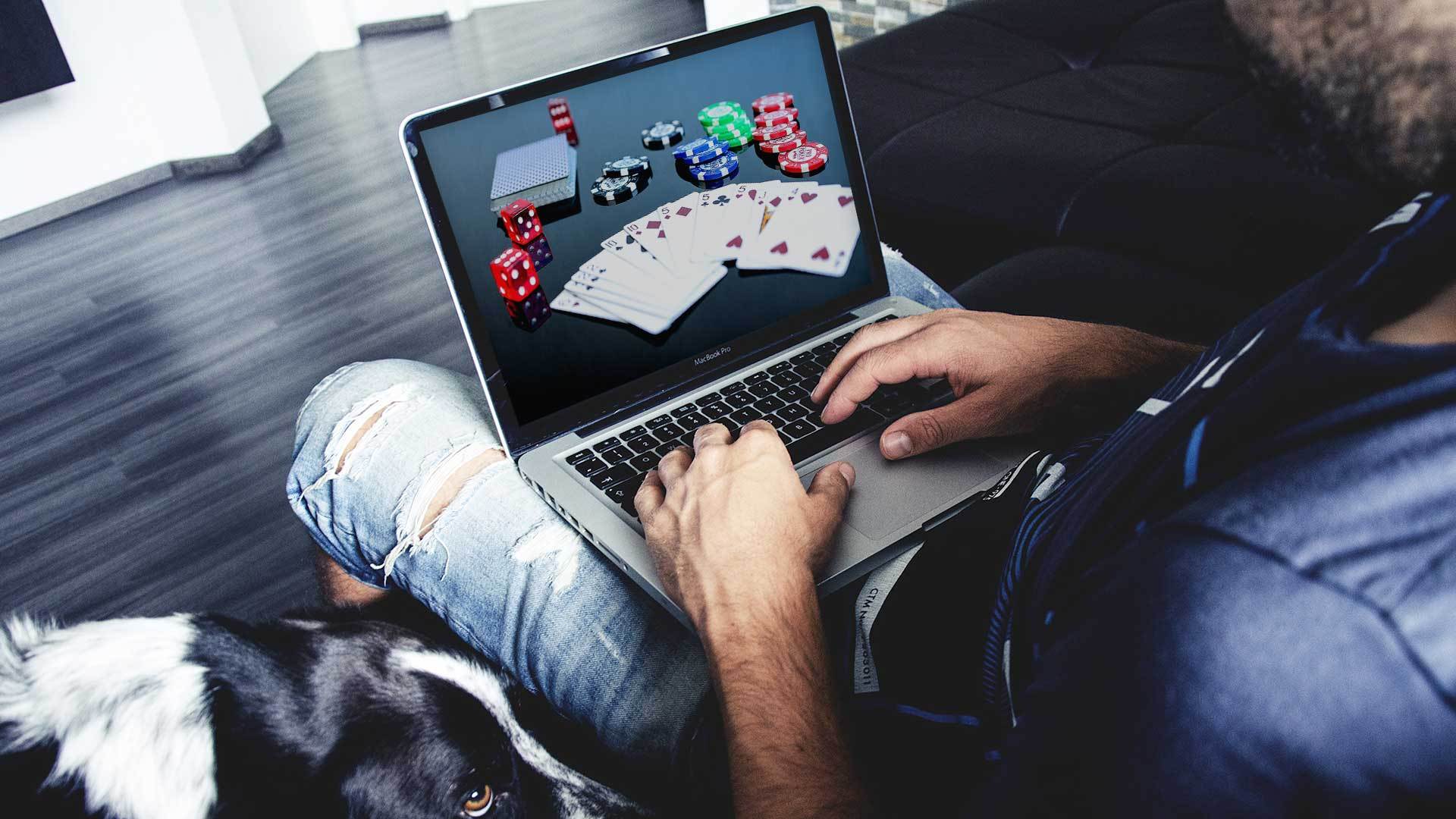
The modern era has seen a significant transformation in the gambling landscape, particularly with the advent of the internet. Online casinos and sports betting platforms have made gambling more accessible than ever before, allowing individuals to participate from the comfort of their homes. This digital revolution has created a new paradigm, with virtual currencies and mobile applications further reshaping the way people engage with gambling.
Additionally, the global pandemic accelerated the shift toward online gambling, as physical venues closed and more players turned to digital alternatives. As a result, there is now an increased focus on ensuring the safety and security of online gambling, along with measures to protect vulnerable individuals from the risks associated with this rapidly evolving industry.
Exploring Gaming Beyond Gambling
In the context of entertainment, gaming has expanded beyond traditional gambling, offering diverse experiences through interactive applications and mobile games. For instance, games like Chicken Road 2 combine elements of strategy and reflexes, providing engaging gameplay without the financial risks associated with gambling.
These games attract a broad audience, allowing players to enjoy thrilling challenges and achievements without the implications of betting. As technology continues to advance, the distinction between gaming and gambling may blur, prompting ongoing discussions about the nature of play and its societal impacts.